


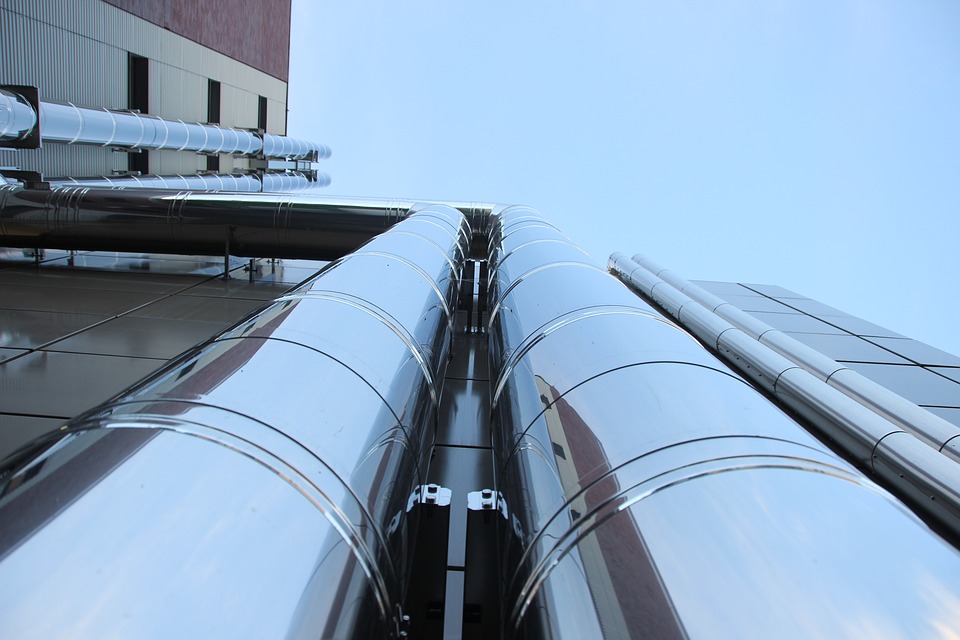
Three-Layer Extruded Polyethylene Coating
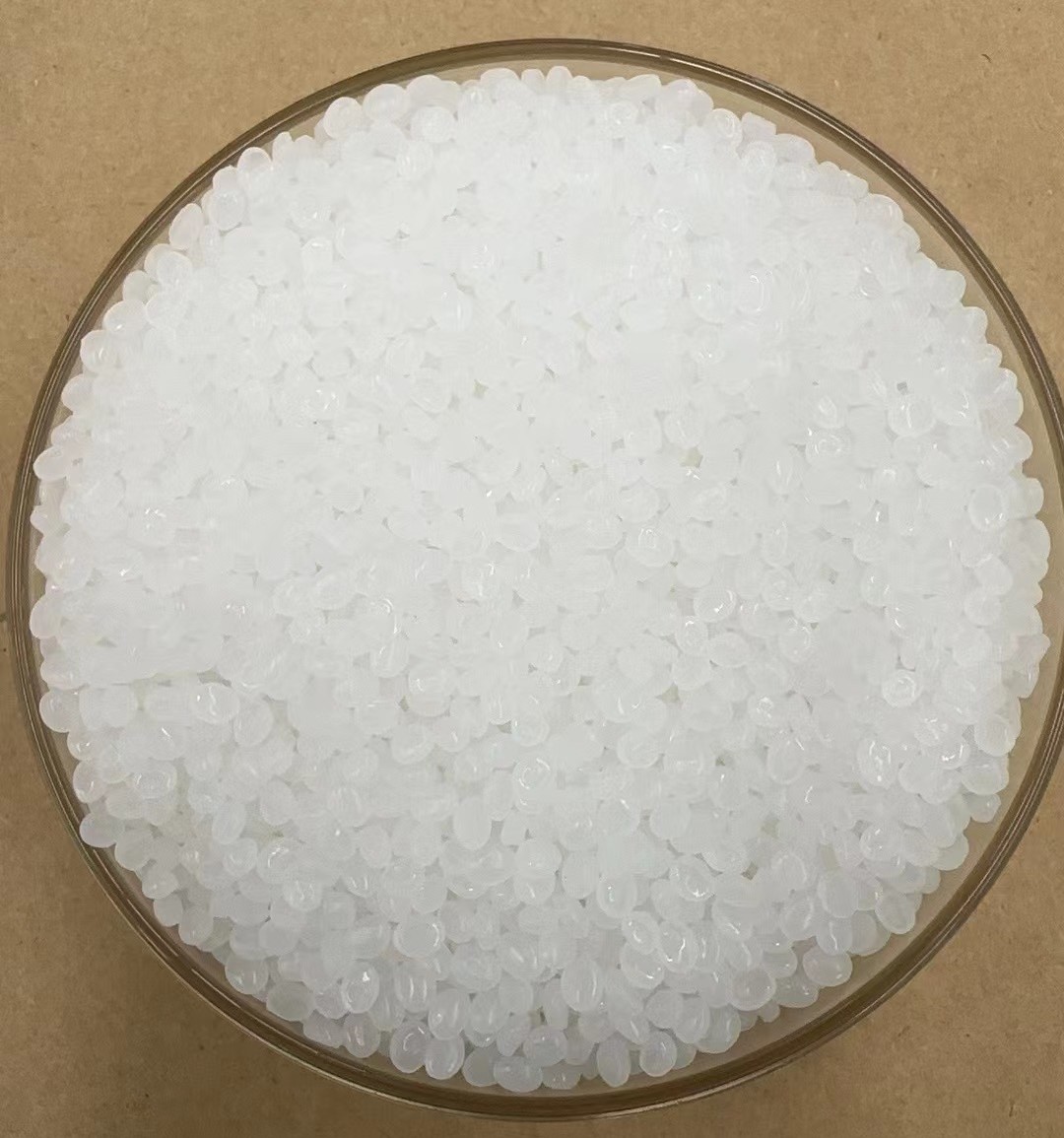
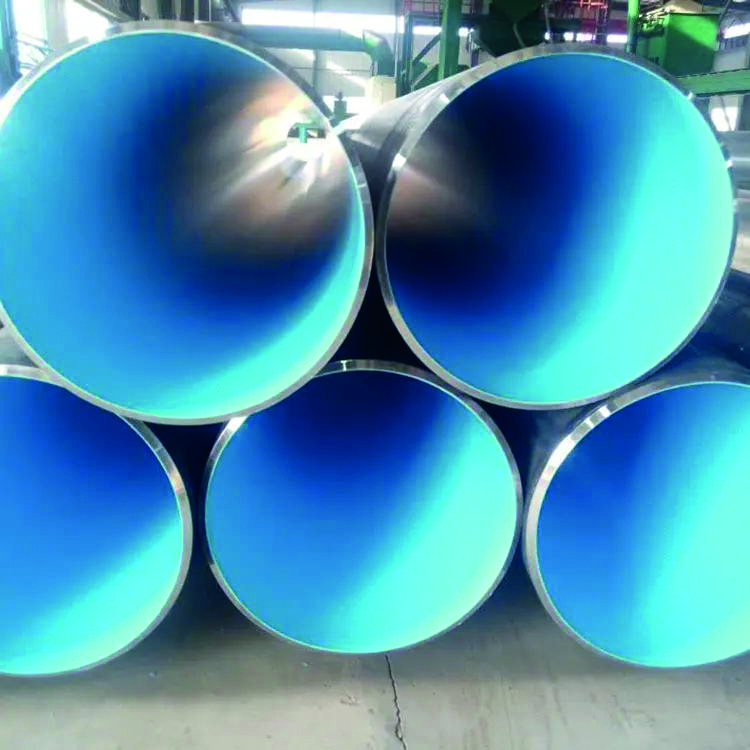
A three-layer extruded polyethylene coating (3LPE) is composed of :
Bonding agent or copolymer adhesive layer
Epoxy powder layer
Polypropylene or polyethylene layer
Corrosionpedia Explains Three-Layer Extruded Polyethylene Coating (3LPE)
A three-layer extruded polyethylene coating is used for various types of pipelines including sewer systems, water pipelines, gas pipelines and other channels that are dangerous to water. Polyethylene coatings have been in use to protect buried pipelines from corroding since the 1950s. This type of coating provides higher resistance to insulation than bitumen coatings.
One advantage of this coating material is that it is ultra-adhesive, even at room temperature. Also, it can be easily cut back as necessary by having the pipelines heated. Furthermore, this material has a very strong chemical resistance that makes it applicable even in the most aggressive environments, including all forms of soil.
The chemical resistance of this coating prevents its corrosion. However, it should be noted that just like many materials, it is also prone to some types of corrosion. Due to this, as early as 1974, testing has been required to determine the aging or corrosion resistance of 3LPE. This is conducted by measuring the temperature with the use of a thermometer at 140°F (60°C). The measure of aging is the melt index, which is set at an initial value of 25%. Over the years, more advanced testing methods have been developed to determine the 3LPE's aging and resistance to corrosion.
Share:

Leave a Comment